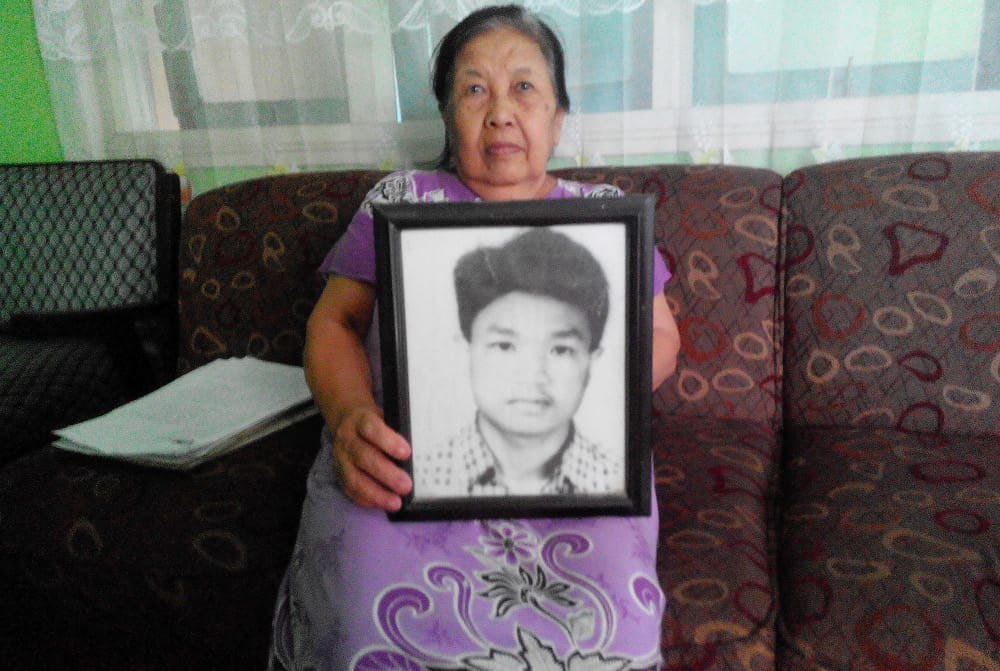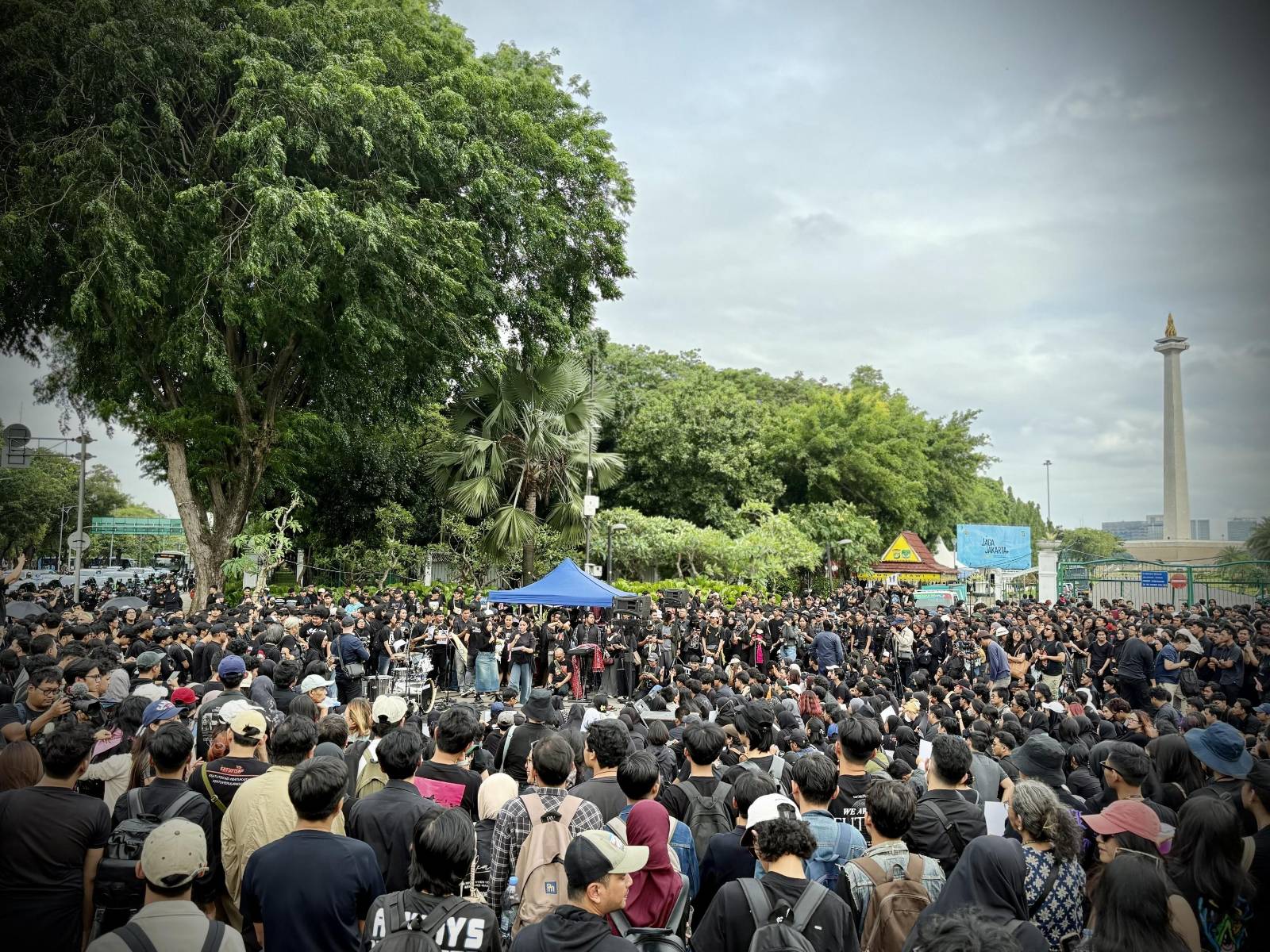
On 15 January 2026, the Thursday Rally (Aksi Kamisan) marked its 893rd Kamisan gathering as well as commemorating its 19th year in front of the Presidential Palace. This moment marked nearly two decades of perseverance by victims and families of victims of gross human rights violations who have consistently preserved collective memory, resisted erasure, and demanded state accountability that remains unfulfilled to this day. For years, changes in political leadership have never translated into the state’s willingness to fully resolve these violations through truth-seeking, criminal prosecution of perpetrators, comprehensive reparations for victims, and guarantees of non-recurrence. Instead, the state has opted for shortcuts through purely non-judicial mechanisms that ultimately disregard truth, undermine the dignity of victims, reduce them to mere objects of policy, and fail to uphold their rights to justice, reparation, and guarantees of non-recurrence.
The series of events marking the 19th Anniversary of the Aksi Kamisan reaffirms that this movement has endured not because of any electoral or partisan interests, but because of the unwavering persistence of victims and their families who, from the very beginning and despite their many limitations, have continued to speak out. Their steadfastness has become a source of collective energy that sustains the Aksi Kamisan into its nineteenth year, serving as a space for preserving memory for younger generations who recognize the unresolved betrayals of humanitarian values in the past. From this very foundation, the Aksi Kamisan has grown into an open civic political space where civil society unites to resist forgetting and refuses to compromise with injustice.
Moreover, this year’s rally took place under the shadow of intensifying repression and an increasingly narrowing democratic space. The presence of state security forces surrounding the protest area served as a reminder that the freedoms of expression and peaceful assembly remain under constant threat. Fresh in our memory are the state’s repressive practices during the wave of demonstrations from 25 - 31 August 2025 across various parts of Indonesia, which resulted in numerous human rights violations, including the arbitrary criminalization of human rights defenders, enforced disappearances, unlawful arrests, torture, and unfair judicial processes. These experiences of violence, intimidation, and criminalization against those who voice dissent demonstrate that human rights violations are not remnants of the past; they continue today in the very same patterns from silencing voices, turning victims into perpetrators, to normalizing violence as part of state governance.
This year’s commemoration became a broader space of collective solidarity. Beyond victims, survivors, and human rights defenders, the rally was also attended by people from diverse backgrounds, including young people, artists, and musicians. The commemoration of the 19th year of Aksi Kamisan featured reflections from various individuals representing different communities and experiences, including Iqbal Damanik, Kalis Mardiasih, Usman Hamid, residents of Dago Elos, residents of Suka Haji, and musician Baskara Putra.
Iqbal Damanik, representing Greenpeace Southeast Asia, shared his reflections on the ongoing environmental destruction carried out in the name of development and legitimized by the state, practices that contribute to widespread violations of economic, social, and cultural rights. Kalis Mardiasih, a writer and women’s rights advocate, reflected on the state’s denial of the May 1998 rapes, describing it as an attempt to sanitize the state’s wrongdoing while simultaneously erasing women’s experiences of gender-based violence.
Usman Hamid from Amnesty International Indonesia discussed the persistence of impunity and the state’s failure to deliver justice for past gross human rights violations, as well as how this failure fuels the recurrence of similar violations today. Residents of Dago Elos and Suka Haji echoed their experiences as victims of forced evictions in urban areas, reflecting deeply entrenched power imbalances and feudal practices that continue to shape Indonesia today. Finally, musician Baskara Putra emphasized the importance of channeling our anger at injustice and transforming it into the strength needed to sustain resistance.
The 19th Commemoration of Aksi Kamisan once again affirmed its role as a political space for young people, a space of encounter for individuals who may not know one another but are united by their commitment to humanity and justice. The involvement of youth, artists, and musicians demonstrates how the struggle for human rights continues to inspire the courage to step outside one’s comfort zone, resist co-optation by power, and remain steadfastly on the side of victims.
The entire series of events converges into one unequivocal message that impunity must end. As long as truth is concealed, perpetrators of human rights violations are protected, and victims continue to be marginalized, the Aksi Kamisan will remain a steadfast presence in the public sphere. It stands as a reminder that justice has no expiration date, and that justice cannot be silenced. Public resistance will continue to be voiced as long as victims are denied justice and human rights are violated. As long as the state refuses to fulfill its obligations, the Aksi Kamisan will persist in demanding accountability.
The full recording of the 19th Commemoration of Aksi Kamisan is accessible here.
Tags

KontraS
Komisi Untuk Orang Hilang dan Korban Tindak Kekerasan